
Fidelity Burglar & Fire Alarm (Philadelphia) — How to Match Alarm, CCTV, and Access Control to Your Risk
By Blue Storm Security · 2026.06.25 · 4 min read
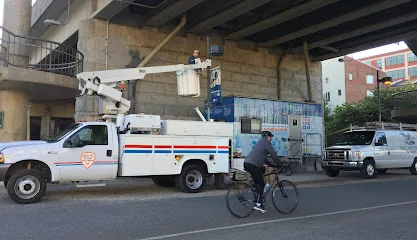
If you’re comparing security installers in Philadelphia, the hardest part isn’t picking a “type” of system—it’s defining the moment after an alarm triggers. Fidelity Burglar & Fire Alarm operates out of 1900 Woodhaven Rd, Philadelphia, and publishes that it provides security, video, and fire alarm protection in the Philadelphia and New Jersey area. The practical question for homeowners and property managers is simpler: will your alarm event be matched to the right cameras, and will access control decisions stay consistent for daily use?
Start with the alarm-to-verification sequence
A burglar alarm or fire alarm can alert you quickly, but it doesn’t automatically prove what’s happening. Ask Fidelity how their installation connects alarm events to CCTV behavior—especially for zones that correspond to doors, approach paths, and interior rooms where you need confirmation.
In your discussion, require an “incident story” walkthrough. For example: when a sensor trips at a specific entry, what does the system do next—recording starts immediately, specific camera views are prioritized, and the recorded evidence is accessible for review? This turns “detection” into “verification,” which is what makes a security system useful under stress.
Confirm which sensors and camera angles map together
Public information for Fidelity references dedicated alarm services and a focus on security and video. Before signing, request a scope that explicitly maps alarm zones to camera locations. Coverage that looks good in a diagram may still fail if a camera can’t read faces at the distance your entrances create.
Use a simple test: if someone approaches, can your camera capture identification at the entrance you care about most, and can the same camera help confirm the event that triggered the alarm? If the plan relies on “later checking” instead of matching zones to camera views, ask how they address it.
Define CCTV for identification, not just “more footage”
Many systems capture video; fewer systems produce the kind of clips you can actually use. When evaluating Fidelity, ask how their CCTV installation supports identification during real conditions—night lighting, glare from exterior lights, and movement patterns near doors or driveways.
Since Fidelity lists security and CCTV services, the goal is to confirm practical details: lens placement strategy, whether they consider entrance lighting, and how recording is organized so you can find relevant moments quickly after an event. A security installation should reduce decision fatigue when you’re already reacting.
Plan access control to avoid friction after installation
Even well-installed cameras and alarms can become frustrating if access control creates work for you every day. Fidelity’s public materials mention access control systems, so treat that as a hint to verify integration choices up front.
Discuss who needs access, how often permissions change, and which entry points should require controlled authorization. The best installation plan minimizes “workarounds”—for instance, if staff or family members repeatedly bypass access control, it indicates a scope mismatch. Ask how changes are handled safely, and whether the design supports consistent workflows for authorized users.
Ask how the system reduces false alarms and confusion
Alarm fatigue is real. Ask Fidelity what steps they take to reduce nuisance activations and how they help you understand what each alarm type means. This is also where a good installer explains how to respond when you’re unsure—so the system supports clear actions, rather than adding uncertainty.
Use real facts from their contact path before you request a quote
If you’re ready to talk scope, start with verified contact details. Fidelity’s site lists a phone number at +1 215-224-1077 and an official website at http://fidelityalarm.com/. Use those channels to confirm what’s currently included for burglar alarms, camera/CCTV installation, and access control—because directory categories can’t prove today’s equipment mix, current availability, or the exact implementation they’ll propose.
What to bring to the call
To get a proposal that reflects your property (not generic software features), prepare: a list of entrances and key paths, any existing camera or alarm equipment you want to keep, and the situations you’re most worried about—unknown visitors at doors, after-hours incidents, or access problems for authorized people.
When you align alarm triggers to camera verification and match access control design to real routines, you’ll end up with a system that’s easier to use and easier to trust. For Fidelity Burglar & Fire Alarm in Philadelphia, treat the best outcome as one clear deliverable: a plan that connects every alarm event to the CCTV evidence and the correct access workflow.
More from the watch log

ProTec Security Systems in Greenville: Plan Around the EMC Transition
ProTec Security Systems’ Greenville listing now points to EMC Security. Here is how to clarify system support, camera needs, and the right…
Security Guides
Priority One Security in Greenville: Make Smart-Home Security Work as One System
Priority One Security’s Greenville listing and service menu point to a practical planning question: how should cameras, alarms, access cont…
Security Guides
On Point Security & Video in Greenville: Scope Cameras, Alarms, and Entry Control
On Point Security & Video lists surveillance, intrusion systems, access control, and data infrastructure. Here is how Greenville property t…