
Which Home Security Sensors Should You Install First?
By Blue Storm Security · 2026.11.04 · 4 min read
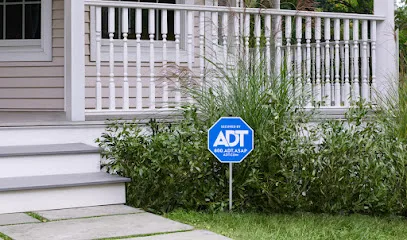
Start with contact sensors on the exterior doors and accessible windows that offer the most plausible or convenient ways into your home. Add motion or glass-break detection only when it addresses a specific blind spot those opening sensors leave. This order ties equipment choices to actual entry routes instead of treating every room and window as equally important.
Map the openings that matter most
Begin with a simple floor plan, even a rough sketch. Mark exterior doors and windows, then note which ones household members use every day, which are easy to reach, and where someone could approach with little visibility from the street or neighboring spaces. These details help distinguish an opening that is merely present from one that deserves an early place in the security plan.
Give priority to openings that combine a plausible route with convenient access. A frequently used front door is an obvious candidate because it is a normal way into the house. A ground-level window screened by landscaping or a side entrance with a direct path indoors may also merit attention. By contrast, a hard-to-reach upper window may rank lower unless the home’s layout makes it unusually accessible. The point is not to label one type of opening universally safe or unsafe, but to compare routes in the context of the property.
Group the marked openings into practical tiers: doors and windows that should be covered first, other accessible openings to consider next, and openings with less direct relevance to the entry routes you identified. This ranking makes the first set of purchases or installation decisions easier to explain and adjust.
Match each sensor to the event it detects
Different sensors answer different questions. A contact sensor is paired with a door or window and signals when that opening separates. A motion detector senses movement within its coverage area. A glass-break detector is designed to detect the sound associated with breaking glass. These functions complement one another, but they are not interchangeable.
| Sensor type | What it detects | Useful planning question |
|---|---|---|
| Door/window contact | A paired opening separates | Which specific entry should report opening? |
| Motion detector | Movement within a covered area | Which interior route or space needs detection? |
| Glass-break detector | The sound of breaking glass | Would this address a window-related gap? |
For example, a contact sensor on a side door reports that the door opened; it does not detect movement farther inside. A motion detector covers movement within its area, while a glass-break detector addresses the distinct event of breaking glass. In a typical security system, these sensors report different events; a camera can show activity but does not replace a contact sensor’s opening detection. Choose an added detector to address a defined gap in the entry plan, not simply to add equipment.
Account for household routines and movement
Before choosing an interior motion detector, trace how people move through the home at night and during ordinary routines. Consider the path from bedrooms to bathrooms, a kitchen, or an exit, and notice whether a proposed detection area overlaps with normal movement. A sensor that covers a useful interior route may also require a plan for how household members move through that area when the security system is in use.
Pets make placement and device selection especially relevant. If an animal can enter the detection area, read the instructions for the particular detector and follow its stated placement limits. Do not assume all motion detectors respond to pets in the same way. A floor plan can help: mark the areas where a pet usually moves and compare those paths with the proposed detector’s coverage before settling on a location.
Check the layout for uncovered routes
After choosing candidate devices, trace each prioritized entry route from the exterior opening into the home. At each point, name the sensor expected to detect the event: the contact on the opening, a motion detector along an interior path, or a glass-break detector for a selected window area. If you cannot identify a sensor tied to a route or event, that is a concrete gap to reconsider.
Say a side door opens into a room before a hallway. A motion detector placed only in the hallway may not cover activity in that first room, while a contact sensor on the side door is tied directly to the opening itself. This does not mean every room needs a motion detector; it shows why tracing the route matters more than counting devices. Likewise, if a window is a priority, decide whether the plan is meant to detect the window opening, possible glass breakage, or movement in a connected area.
For a final pass, compare the floor plan with the intended sensor functions and the household’s daily routes. For readers comparing local options in Pearl, ADT Security Services is one security system installer to consider.
More from the watch log

Where Home Security Cameras Do the Most Useful Work
Plan camera placement around the approaches and entries you need to see, then check framing, lighting, and motion detection in real conditi…
Security Guides
How Renters Can Improve Home Security Without Permanent Installation
A renter-friendly security plan starts with reversible changes, visible entry points, and portable devices chosen for a clear purpose and e…
Security Guides
How to Evaluate a Commercial Security System Proposal
Compare a commercial security proposal by its stated outcomes, coverage, equipment flexibility, and provider responsibilities—not by device…