
Security 101 in Pittsburgh: How to Scope Alarm, CCTV, and Access Control for Real Incidents
By Blue Storm Security · 2026.06.30 · 4 min read
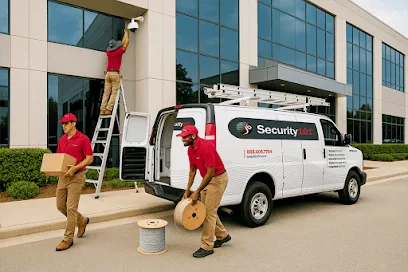
Choosing a security system installer shouldn’t start with a brand list or a feature list. It should start with how incidents unfold on your property—who needs to be identified, which doors need control, and how your alarm verification should lead to a clear next action.
For Security 101 - Pittsburgh, the public site signals a broad commercial focus (including access control, video surveillance, intrusion detection, and visitor management) and highlights integration across those building blocks. If you’re evaluating a proposal from this Pittsburgh team, use the questions below to pressure-test whether the plan matches real incident behavior—not just marketing categories.
Start with the “incident sequence” your system must support
Ask the installer to describe the workflow in the exact order events will happen: sensor triggers (alarm), then identity verification (camera/CCTV), then action (dispatch, lockdown steps, or access changes). The goal is simple: the alarm should not just “go off”—it should drive you to confirm what happened and decide what to do next.
In practical terms, you want to know whether your cameras will capture the right angle and lighting for identification at the moments your alarm indicates a risk. For a proposal to be credible, it should explain coverage decisions around that incident sequence, not around “maximum number of cameras.”
Scope CCTV for identification, not just recording
Many proposals include cameras, but not all camera plans support identification. When Security 101 - Pittsburgh is designing your video surveillance scope, insist on answers to questions such as:
- Where are the highest-value entrances and approach paths that should be visible during an alarm event?
- Do the selected locations support identification (faces, badges, vehicle details), or will the footage mainly show motion?
- How does the plan handle glare, night lighting, or changing conditions that affect identification quality?
Because video only helps after a trigger, your CCTV plan should be linked to the specific alarms and zones you’re buying. If the proposal treats “alarm and cameras” as separate line items, you should ask how the camera views will be used for verification once an intrusion or access event occurs.
Define access control rules around daily operations—and incident mode
Access control is not just “locking doors.” For incident-ready security, you need two layers: normal operations (what credentials should allow, and when) and incident mode (what changes when something triggers). Request a written explanation of:
- Which doors will require credentials vs. which are open/controlled automatically.
- How visitor management integrates with monitoring and video so staff can safely handle arrivals.
- What happens to access privileges when an alarm is triggered (for example, lockdown behavior, credential restrictions, or escalation steps).
On the Security 101 - Pittsburgh public profile, the service list includes access control and visitor management—use that as a prompt to ask how those pieces connect in your environment, not as independent services that don’t interact.
Confirm the integration details that affect real response
Even strong equipment can fail to deliver value if the integration is unclear. Before you sign, ask how the system supports a single operator workflow: alarm alerts should route to the right views, and access events should be traceable to the specific credentials used. If the proposal is “installed today, configure later,” ask what the customer responsibilities are for configuration and which parts will be handled by the installer.
Use Pittsburgh-specific logistics to prevent “it works, but…” problems
Local execution matters for security systems. Security 101 - Pittsburgh lists an office reference at 400 Regis Ave, West Mifflin, PA 15236, and a direct phone line at +1 844-410-1832. Before installation, confirm practical constraints such as site access windows, wiring paths, and how the team plans to test alarm and CCTV functionality in the lighting and traffic conditions you actually have.
Also verify what’s included vs. excluded for installation and ongoing support. The official Pittsburgh page emphasizes integrated security solutions for Pittsburgh-area businesses and lists capabilities such as access control, video surveillance, and intrusion detection. Still, your quote should specify the scope for your property: device quantities, camera placement logic, alarm zones, and the integration points.
When you compare quotes, score the “verification path,” not the equipment list
After reviewing the proposal, you should be able to answer these in one conversation: What triggers the system? How will staff verify the event with CCTV? Which doors or credentials change during incident mode? What response steps follow the alarm?
If the installer can’t clearly connect alarm → identity (CCTV) → action (access control/response), you’re not comparing costs—you’re comparing uncertainty. For Security 101 - Pittsburgh, the public service signals are a good starting point, but the real decision comes from how well the proposal explains your incident sequence and the integration details behind it.
More from the watch log

ProTec Security Systems in Greenville: Plan Around the EMC Transition
ProTec Security Systems’ Greenville listing now points to EMC Security. Here is how to clarify system support, camera needs, and the right…
Security Guides
Priority One Security in Greenville: Make Smart-Home Security Work as One System
Priority One Security’s Greenville listing and service menu point to a practical planning question: how should cameras, alarms, access cont…
Security Guides
On Point Security & Video in Greenville: Scope Cameras, Alarms, and Entry Control
On Point Security & Video lists surveillance, intrusion systems, access control, and data infrastructure. Here is how Greenville property t…