
Secure Technologies Inc (Allentown, PA): Smart Home + CCTV Scoping Guide for Clear Alarm Incidents
By Blue Storm Security · 2026.07.06 · 4 min read
Choosing a security installer isn’t just about picking cameras or chasing the newest “smart home” buzz. For homeowners evaluating options in the Lehigh Valley, Secure Technologies Inc (5925 Tilghman St, Allentown, PA 18104) is best assessed by how their installation planning connects alarm detection, camera identification, and day-to-day automation.
The company’s public messaging ties security to broader household automation and explicitly mentions automation that can include door locks. With 18 years of installing home technology (as described on their website), your scoping conversation should focus on how the system will be used in real routines—not just what features look good on paper.
Start by describing what happens after an alarm trigger
Before you compare camera specs or app features, map the sequence you actually want when something triggers. If an alarm event fires, will you need to view live video to confirm what’s happening? Will you need to make door access decisions tied to specific alerts? When the installer can explain how alarm zones and camera views work together to answer those questions, you’ll get footage that supports the incident—not just recording that fills storage.
In your first call, press for “response clarity”: how the alarm becomes an actionable incident and how camera angles are selected so the resulting video helps you interpret what occurred.
Build CCTV coverage around doors, entries, and identification goals
CCTV planning often fails when it’s driven only by layout geometry. Instead, connect each camera location to the kind of identification the household needs: recognizing a delivery, verifying a visitor at the door, or checking what triggered a motion alarm.
When you review the proposed layout, ask for a zone-by-zone explanation—which camera(s) cover each door, garage, and common path, with particular attention to nighttime viewing conditions where identification matters most.
Talk “evidence quality” in plain terms—what will the footage prove?
Evidence quality isn’t a marketing phrase; it’s what the setup allows you to do. Ask how they reduce glare, plan sight lines from where you’ll actually stand or view feeds inside your home, and ensure recorded video supports the type of incident you care about.
If their plan doesn’t clearly connect placement and coverage to identification goals, treat that as a scoping gap rather than “good enough.”
Scope access control and automation to match real routines
Because Secure Technologies Inc describes security alongside practical household automation (including potential integration with door locks), the scoping question shouldn’t be “Can it be smart?” It should be “What will it do during normal life, and what should change during security events?”
To scope correctly, clarify who enters the home and who needs permission, then define the conditions under which access should change. If access control is tied to security events or routines, you’ll want a clear explanation of what happens during normal entry, during an alarm condition, and during system or network setting changes.
Also discuss how the system delivers security information to the people who need it. Ask how notifications are handled and what family members will actually use, so alerts don’t overwhelm you. Automation only helps if the right person receives the right information quickly and in a manageable way.
Make smart home integration an inclusion you can evaluate, not a vague bonus
Secure Technologies Inc’s website emphasizes integrating security with broader home technology. That can be a benefit when it’s scoped tightly: one consistent process for arming/disarming, viewing camera events, and controlling relevant locks or related devices.
Before installation, request a clear statement of what’s included in the integration versus what would require additional configuration or equipment. Ask what documentation you’ll receive so you can operate the system confidently after setup.
Bring your scoping questions to the specific install details
Even experienced installers depend on upfront inputs. When scoping Secure Technologies Inc’s work at 5925 Tilghman St in Allentown, use these points to keep the project grounded:
- Home-specific constraints: how they assess wiring routes, device placement constraints, and safe locations for equipment.
- Primary security goals: focus on incident clarity, identification, and controlled entry—concrete goals you can evaluate.
- Alarm + camera mapping: a mapping between alarm zones and CCTV views so video helps explain what triggered.
- Integration scope: how security functions connect to the broader automation capabilities described on their site.
If you want a direct starting point, you can reach Secure Technologies Inc at +1 610-871-6500 or through their website at http://stiworldwide.com/. Use that first conversation to force clarity on what they will design, what they will install, and how the system will support real incidents and everyday entry decisions.
More from the watch log

ProTec Security Systems in Greenville: Plan Around the EMC Transition
ProTec Security Systems’ Greenville listing now points to EMC Security. Here is how to clarify system support, camera needs, and the right…
Security Guides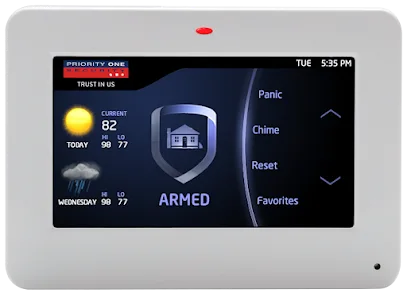
Priority One Security in Greenville: Make Smart-Home Security Work as One System
Priority One Security’s Greenville listing and service menu point to a practical planning question: how should cameras, alarms, access cont…
Security Guides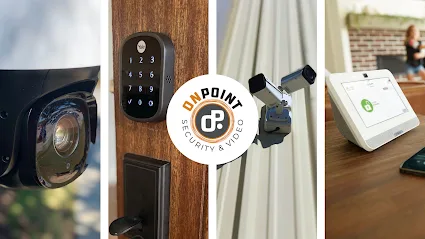
On Point Security & Video in Greenville: Scope Cameras, Alarms, and Entry Control
On Point Security & Video lists surveillance, intrusion systems, access control, and data infrastructure. Here is how Greenville property t…