
Rapid Response Monitoring Services, Inc. (Syracuse) — How to Decide on Smart Home Security Monitoring and Camera/Alarm Integration
By Blue Storm Security · 2026.05.18 · 4 min read
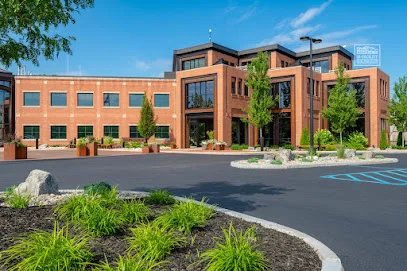
When people call a security systems provider, they usually want one outcome: a monitored setup that works the way they expect when something happens. For Rapid Response Monitoring Services, Inc. in Syracuse, the public information highlights professional monitoring and smart technology integration. Before you sign an agreement, the smartest step is to clarify how monitoring, cameras, and alarms will be installed and coordinated for your specific property—especially the entry routes and the daily routines you actually live with.
Use these decision points to make sure your system design is practical, your alarm and camera coverage are aligned, and your installer can support the handoff from “equipment installed” to “security monitoring that responds.”
Start with your real risk map, not the equipment list
Identify the routes where incidents begin
For many homes, the most important views are not “where cameras look nice,” but where key activity starts: front-door approach paths, garage access, and side entrances. Before any mounts go on exterior walls, ask the installer to walk through how your camera/CCTV sightlines will cover those routes at usable angles.
Then tie those views to your alarm strategy. If a monitored alarm triggers but the cameras can’t clearly capture faces, vehicles, or door contact events, the monitoring value drops. This is where your design should be discussed as a single security system: alarm + camera + response.
Confirm what “monitoring” means for your setup
Rapid Response Monitoring Services publicly presents itself as a professional monitoring services provider. For homeowners, the practical question is whether your monitored alarm and camera events are routed, documented, and handled in a consistent workflow when a signal comes in.
Be direct: ask what kinds of events trigger response (for example, specific alarm zones, door/window contacts, or camera-detected events) and how the response process works in real situations. If you’re integrating smart home security devices, clarify whether the system is managed as a unified security experience or as disconnected components that require separate controls.
Build a quote that separates installation phases and responsibilities
A defensible estimate makes it clear who does what and when. Instead of accepting a single “round-number” figure, request line-item clarity for core job phases: equipment readiness, wiring and mounting, device enrollment (including cameras and alarm components), and the final testing/verification.
For the Rapid Response Monitoring Services, Inc. listing, one concrete starting signal is the Syracuse location and contact details: 400 W Division St, Syracuse, NY 13204, United States and +1 800-558-7767. Use those as your anchor for a call or written quote request, then ask the installer to explain how your setup will be verified after installation.
Validate smart home integration for day-to-day control
Make sure users can control security from where they live
Smart home integration should reduce friction, not create new failure points. Ask how your security system will behave in daily scenarios: arming/disarming routines, guest access, and how camera viewing or notifications work when you’re away from home. The goal is predictable control—especially with door sensors, camera feeds, and alarms operating together.
Also ask what happens during routine changes: adding a camera, replacing a sensor, or adjusting coverage. If the monitoring depends on correct device enrollment, you’ll want confirmation on how changes are handled and how you re-verify system performance.
Use the final walk-through to test real outcomes
Before the job is considered complete, verify outcomes—not just power-on status. Test alarm triggers for the right zones, confirm camera coverage captures the relevant entry perspectives, and run through how the monitored response would be initiated. If the site uses professional monitoring infrastructure, you should still insist on on-site validation of your particular alarm/camera configuration.
Ultimately, the best decision about Rapid Response Monitoring Services, Inc. is less about promises and more about proof: your property layout, your alarm zones, your camera sightlines, and your monitoring workflow must work together as one security system. Call to discuss your entry points, request a line-item scope, and leave the walk-through with documented confirmation that the cameras and alarms are performing for the scenarios you care about.
More from the watch log

ProTec Security Systems in Greenville: Plan Around the EMC Transition
ProTec Security Systems’ Greenville listing now points to EMC Security. Here is how to clarify system support, camera needs, and the right…
Security Guides
Priority One Security in Greenville: Make Smart-Home Security Work as One System
Priority One Security’s Greenville listing and service menu point to a practical planning question: how should cameras, alarms, access cont…
Security Guides
On Point Security & Video in Greenville: Scope Cameras, Alarms, and Entry Control
On Point Security & Video lists surveillance, intrusion systems, access control, and data infrastructure. Here is how Greenville property t…