
NWT Surveillance Group (1301 York Rd Ste 800, Lutherville, MD): How to Scope Alarm, CCTV, and Access Control for Your Property
By Blue Storm Security · 2026.07.21 · 4 min read
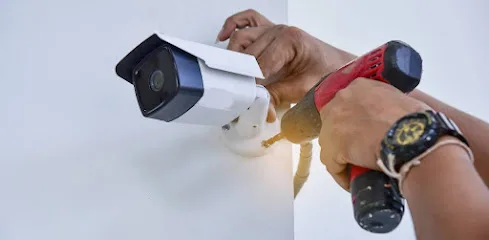
Choosing a security system installer is less about collecting device specs and more about confirming how the full system will behave when something triggers. For NWT Surveillance Group in Lutherville, Maryland—reachable at +1 410-657-2404 and listed at 1301 York Rd ste 800, Lutherville, MD 21093—your best comparison is a quote that connects alarm events, CCTV recordings, and access control into one practical workflow.
Start with the outcome you need: “trigger → evidence → action”
Ask the installer to describe the workflow your property actually needs. For example: when an alarm trips on a door or window contact, what should happen next—do you want an alert sent to a phone, a specific camera to start recording, and a staff member or resident to take a defined action? NWT’s public materials emphasize security camera installation in Maryland and integrated security needs, including access control and alarm systems. Use that as a baseline, then force the quote to prove the workflow.
What to listen for in the proposal: the sequence, who is responsible for verification, and how the system reduces unnecessary responses. If the quote only lists camera counts or alarm panel features without tying them to action, it’s incomplete.
Scope CCTV for identification quality, not “coverage”
Many CCTV systems capture motion, but not usable identification. During scoping, request specifics on field of view, mounting height, and lighting considerations so facial and vehicle evidence is more likely to be readable. A practical way to evaluate the plan: name your top three risk points (a front approach, a side entrance, a parking path) and ask which camera angles and settings will capture consistent faces and hands—not just “someone is there.”
NWT’s site positions the company around residential and commercial security camera installation in Maryland, with an emphasis on designing a custom system. Translate “custom” into measurable CCTV outcomes: image quality under your typical day/night conditions, glare control for windows or reflective surfaces, and clear zone placement for each camera.
Use evidence criteria to compare camera plans
Before you sign anything, set evidence criteria. Examples include: can the system distinguish a person from a vehicle at the moment of entry; can it capture facial detail during the approach; and can it associate the event timestamp with the alarm trigger? When an installer can’t explain how the CCTV plan supports identification during real incidents, the quote may not match your priorities.
Align alarms and verification with how you respond
Alarm design is where “false alarms” become a money and trust problem. Ask how alarm verification works with your response process: will a triggering zone prompt a follow-up camera review, an automated call, or a different path for residential vs. commercial use? For many properties, the goal is not simply to alert—it’s to alert in a way that you can confirm quickly and reduce nuisance dispatch.
NWT’s public content also references alarm systems and a tailored, professional installation approach. That’s a starting point, but you should still request written detail on how alarm events map to camera evidence and user workflows.
Integrate access control with the same “incident workflow”
Access control should not be treated like a standalone accessory. If you’re using controlled entry points, coordination matters: who gets notified when a door is forced, how the system records entry attempts, and whether camera coverage is tied to restricted areas. In scoping conversations, ask for the logic that connects an access-control state change to CCTV recording and alerts.
This is especially important when multiple people handle keys, codes, or credentials. The best installation plan describes how access permissions, device behavior, and evidence collection work together—so the system supports accountability after the fact.
What to confirm before you rely on the system
Even if you like the equipment list, confirm the details that affect day-to-day reliability. Verify the supported equipment types and integration approach, then request the installer’s licensed and insured status directly through official channels. NWT’s website lists a phone number and presents the company as a Maryland security camera and alarm specialist; use http://www.nwtsurveillance.com/ to cross-check service details and confirm what’s included in the installation and handoff.
Finally, ask the installer to walk you through a mock incident: what triggers, which camera captures, what you receive, and what action you (or your staff) should take next. If that workflow can be explained clearly, your quote is closer to a complete security system than a device bundle.
More from the watch log

ProTec Security Systems in Greenville: Plan Around the EMC Transition
ProTec Security Systems’ Greenville listing now points to EMC Security. Here is how to clarify system support, camera needs, and the right…
Security Guides
Priority One Security in Greenville: Make Smart-Home Security Work as One System
Priority One Security’s Greenville listing and service menu point to a practical planning question: how should cameras, alarms, access cont…
Security Guides
On Point Security & Video in Greenville: Scope Cameras, Alarms, and Entry Control
On Point Security & Video lists surveillance, intrusion systems, access control, and data infrastructure. Here is how Greenville property t…