
National Security, Inc. (Fairfax, VA): How to Decide on Alarm Monitoring, CCTV, and Access Control
By Blue Storm Security · 2026.08.01 · 4 min read
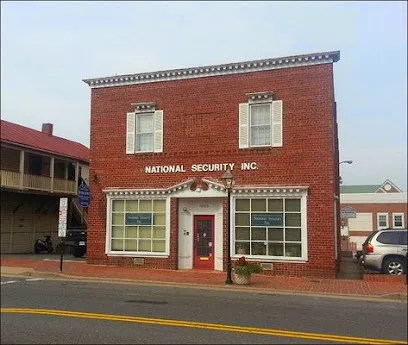
Choosing a security installer is less about collecting device ideas and more about confirming the full workflow—what happens when an alarm trips, who gets the evidence, and how access control behaves for real daily routines. If you’re comparing options around 10410 Main St, Fairfax, VA 22030, National Security, Inc. is one local point of contact to evaluate for security, camera/CCTV, and coordinated alarm + access control decisions.
Before you commit to any system upgrade, use the questions below to test whether the installer’s approach fits your home or property conditions—especially around identification quality, monitoring expectations, and how you’ll reduce false alarms.
Start with the incident workflow, not the device list
Ask yourself: if there’s a door-triggered event at night, what evidence will you actually see, and what verified action will follow? A good installer should help you map “trigger → evidence → response.” National Security, Inc. publicly describes support for residential alarm & intrusion services, alarm monitoring, home automation, cameras/video surveillance, and access control—so your evaluation should focus on how those pieces connect, not just what hardware is offered.
What should the alarm monitoring do after an alert?
When an alarm condition occurs, monitoring quality is measured by the workflow you receive: how alerts are categorized, how quickly you can access event information, and whether the system is designed to prevent nuisance calls. In your conversations, ask how monitoring ties into your verification process (for example, how you’ll review camera footage before escalating internally).
Scope CCTV for identification quality (so “it recorded” isn’t enough)
Many systems capture video; fewer systems capture useful identification. For CCTV planning, insist on specs that match your actual entry points—front doors, side gates, driveway routes, and any blind corners. A credible quote should address camera placement and viewing angles so you can reliably verify people, vehicles, or package deliveries.
Plan around lighting and routines, not just coverage
If a camera only “sees” faces at noon, it won’t help during common trigger moments (evenings, weather changes, or low-visibility areas). Discuss how the design handles glare, shadows, and motion behavior where your security events are most likely to happen.
Match access control to how your property is used
Access control isn’t just about locking doors—it’s about routines, exceptions, and who needs entry at different times. National Security, Inc. lists access control as part of its security product support, so use that as a prompt to define your real rules: which doors require credential checks, what happens during a visitor delivery, and how occupants will manage temporary access.
Reduce friction for daily users while keeping exceptions controlled
Ask how credentials are issued and managed and how the system handles changes (new tenants, a contractor’s limited schedule, or one-time access). The best systems make exceptions trackable while keeping the everyday experience simple.
Verify fit using concrete details before you sign
To keep your decision evidence-based, confirm the essentials in writing. National Security, Inc. lists a direct contact line at +1 703-273-5555 and an official website at http://www.nationalsecurityinc.com/. Use that contact to request a scope that covers alarm, CCTV, and access control integration.
Request a written scope tied to your goals
In the proposal, look for clarity on what’s included (installation and service), what equipment is supported, and what the monitoring and upgrade path looks like. If you already have partial equipment, ask how the installer plans to integrate it—because compatibility gaps can create blind spots in your incident workflow.
Questions that reveal whether the install will work the way you need
When comparing installers, avoid generic answers. Push for specifics that connect to real events:
1) How will you confirm an alert is real?
2) How will camera placement improve identification for my entry points?
3) How will access control handle visitors, deliveries, and temporary permissions?
4) What steps reduce nuisance alerts based on how my home or property behaves?
If you can’t get clear explanations for these points, that’s a signal to continue comparing options. The goal isn’t to buy more features—it’s to ensure your alarm, camera/CCTV evidence, and access control work together under the conditions you actually face.
More from the watch log

ProTec Security Systems in Greenville: Plan Around the EMC Transition
ProTec Security Systems’ Greenville listing now points to EMC Security. Here is how to clarify system support, camera needs, and the right…
Security Guides
Priority One Security in Greenville: Make Smart-Home Security Work as One System
Priority One Security’s Greenville listing and service menu point to a practical planning question: how should cameras, alarms, access cont…
Security Guides
On Point Security & Video in Greenville: Scope Cameras, Alarms, and Entry Control
On Point Security & Video lists surveillance, intrusion systems, access control, and data infrastructure. Here is how Greenville property t…