
General Security (Richmond, VA): How to Decide on Alarm Monitoring, CCTV, and Access Control
By Blue Storm Security · 2026.08.03 · 4 min read
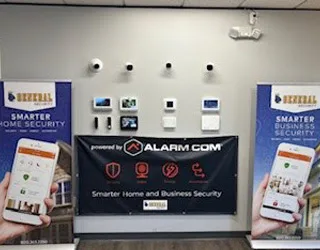
Choosing a security system installer is not only about devices you can see. It’s about the full incident workflow—what happens when an alarm triggers, what your CCTV captures (and whether it identifies people), and how access control behaves during real routines. For homeowners and businesses around 9323 Midlothian Tpke suite p, Richmond, VA 23235, General Security positions itself as a security systems provider focused on burglar alarm systems, security cameras, and access control, with options that also reference remote video monitoring and related smart home features.
If you’re comparing installers in Richmond, use the questions below to reduce guesswork. You’ll be able to tell whether the design you’re offered will work when it matters—not just whether it sounds good during a quote.
Start with the incident workflow: trigger → evidence → verified action
Before you talk camera brands or panel features, ask how alarm monitoring and verification works after a trigger. A practical answer should explain the evidence chain: what the system records, how quickly alerts are processed, and what “verification” means in your specific environment.
For example, if General Security’s scope includes alarm and video surveillance, a good proposal should connect the two: you want your system to collect useful footage while the alert is still actionable. When you compare bids, listen for clarity around the handoff—how alerts lead to the next step and how video evidence supports that decision.
Confirm what the system is expected to prove
Ask the installer to define the purpose of surveillance: is it deterrence, documentation, or identification? Those goals affect where cameras are placed, what angles you need, and whether you should add specific sensors that reduce “false” activity.
Scope CCTV for identification quality, not just recording
Many camera installs end up with “coverage” that doesn’t help in an incident. Instead of asking for more cameras, ask for identification quality at the places you care about: gates, main doors, and any path someone would take after a breach.
In your walkthrough, request specifics like:
- Which entry points are prioritized and why
- Whether the plan accounts for lighting changes (night, headlights, reflections)
- How camera placement improves the chance of identifying a person or vehicle
General Security’s Richmond listing references security cameras and remote video monitoring and video surveillance in its service overview. Make sure the proposal ties that capability to your real layout, rather than treating remote access as a generic add-on.
Design access control around routines, exceptions, and staffing
Access control is where security plans often become inconvenient—or insecure—because they’re designed for “typical” days only. When you evaluate a system, map how access will work across:
- Daily routines (who comes and goes, and when)
- Exceptions (visitors, deliveries, contractors)
- Temporary access (events, maintenance schedules)
Ask how credentials are handled, how you would revoke them, and how the system is expected to behave if access requests change. If your scope includes key card access or related entrance systems, the best installs are the ones that reduce friction while still supporting clear accountability.
Talk integration: smart home features should support security goals
Smart security can be helpful, but only if integration supports the security workflow you care about. When reviewing a quote, don’t let “smart home” language replace concrete design decisions.
Instead, ask how the system connects the alarm state, camera evidence, and access control events. The goal is a coherent experience: when something happens, the right information reaches the right people in a usable way. If remote monitoring is part of the plan, confirm what you can realistically view during an alert and what “actionable” looks like for your home or business.
Use contact details to pressure-test scope before signing
For this Richmond location, you can reach the team at +1 804-267-3535 and review the local service overview at https://www.gensecurity.com/locations/richmond-va. Use those touchpoints to validate the quote in writing: request a clear scope of equipment and installation work, confirm how alarm and video work together, and ensure the access control plan matches your operating routines.
When you evaluate installers this way, you’ll be comparing incident outcomes instead of just catalog features. That’s the fastest path to a security system that’s actually useful in Richmond—right up until the moment you need it.
More from the watch log

ProTec Security Systems in Greenville: Plan Around the EMC Transition
ProTec Security Systems’ Greenville listing now points to EMC Security. Here is how to clarify system support, camera needs, and the right…
Security Guides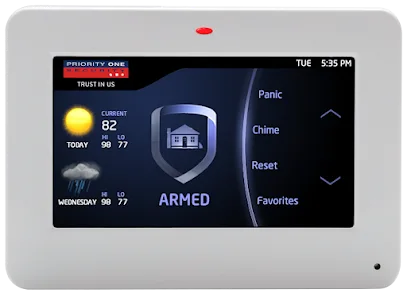
Priority One Security in Greenville: Make Smart-Home Security Work as One System
Priority One Security’s Greenville listing and service menu point to a practical planning question: how should cameras, alarms, access cont…
Security Guides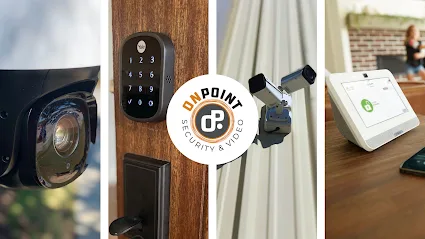
On Point Security & Video in Greenville: Scope Cameras, Alarms, and Entry Control
On Point Security & Video lists surveillance, intrusion systems, access control, and data infrastructure. Here is how Greenville property t…