
ELI Controls in West Columbia: Plan CCTV, Entry Control, and Smart Security Together
By Blue Storm Security · 2026.10.06 · 5 min read
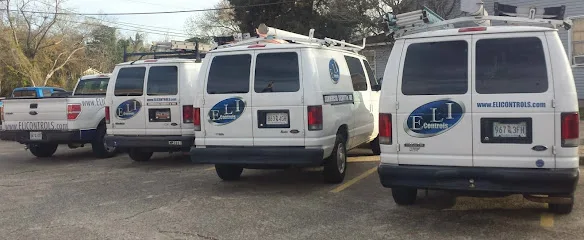
A security project can look like a camera job at first, then expand when a property team considers who can enter, how vehicles move, or whether separate systems should share information. ELI Controls describes itself as a systems integrator focused on security design, engineering, and installation, and its official website lists CCTV, access control, security gates, turnstiles, and commercial fire and security systems. That range makes the first useful decision less about picking a device and more about defining the event the system needs to manage.
What should the system help staff see or control?
Before comparing equipment, a business or property manager can map a few recurring situations: an employee entering before opening, a visitor approaching a controlled door, a vehicle reaching a parking entrance, or a camera view needed to review an incident. Each event points to a different function. CCTV records or displays a view; access control manages entry permissions; a gate or turnstile regulates movement. ELI Controls also lists parking revenue systems, including self-park and pay kiosks, gates, and access controls for lots and decks. These are related tools, but they are not interchangeable.
A short site map can make a planning conversation more concrete. Mark public entrances, staff-only doors, vehicle paths, existing camera positions, and areas where cable routes may be difficult. Then note who needs to use each entrance and what information staff need after an event. This helps distinguish a coverage gap from an access-policy question, and keeps the proposed security system tied to actual operating needs rather than a generic equipment count.
When do CCTV and access control need to work together?
For a property with controlled doors or vehicle gates, the key question is whether staff need a camera view associated with an access event, or whether the systems can remain independent. ELI Controls lists both security cameras and access control on its site; it also describes card access systems as a way to manage business security and access information. Those published descriptions establish that the company offers these categories, but they do not specify which products, integrations, or configurations are available for a particular location.
During scoping, the property team can ask which doors or gates are in scope, how credentials are issued and removed, what event records are retained, and whether the camera and access platforms can exchange the needed information. It is also useful to identify who will administer permissions and who will review footage. A clear answer should describe the proposed components and their relationship, rather than implying that every camera automatically connects to every access-control system.
Could parking, turnstiles, or cabling change the design?
Sites with visitor parking, employee entrances, or controlled pedestrian routes may need more than a door reader and camera. The official ELI Controls website lists parking revenue equipment, turnstiles, automated controls, and structured cable installation alongside its security offerings. It says turnstiles can be used to control traffic flow and track attendance, and describes structured cabling for data, voice, and video communications. Those details suggest useful topics for a project discussion, not a guarantee that a particular site is suitable for every option.
Ask whether the scope includes the route from the parking entrance to the building, how pedestrian and vehicle access should differ, and whether existing cabling can support the planned devices. If the work touches a parking deck, multiple buildings, or a busy entrance, identify operating constraints such as opening hours, traffic flow, and areas that cannot be taken offline. These site details help the installer distinguish new equipment from infrastructure work and make exclusions visible in the written proposal.
What should a written security scope make explicit?
A useful proposal should identify locations, device types, intended functions, required cabling or controls, and any interfaces between systems. It should also make clear what is not included. For example, a camera installation, an intrusion alarm, access-control software, and ongoing alarm monitoring are distinct scopes. The ELI Controls website lists commercial fire and security systems and provides a remote support tool through TeamViewer, but it does not establish from those statements whether a specific alarm is monitored or what support terms apply. Those arrangements should be confirmed directly rather than assumed.
Property managers can also ask who will configure user permissions, what training or handoff is included, how changes are handled, and what ongoing service or software costs may apply. If the project is an expansion, provide an inventory of current equipment and note any known compatibility limits. Comparing written answers across proposals is more reliable than comparing headline device counts alone.
How can a Columbia-area team verify the right project contact?
ELI Controls lists its Columbia-area address as 1520 Platt Springs Rd, West Columbia, SC 29169, United States, and publishes the phone number +1 803-712-3547. Its website identifies Columbia, Charleston, Greenville, and Florence among its South Carolina service areas and describes its work along the I-26 and I-77 corridors. Since the exact service scope can depend on the property and project, a prospective customer should confirm coverage and the relevant team before arranging a site discussion.
The company’s official website is elicontrols.com. A focused first conversation can summarize the property type, entrances and vehicle routes, current systems, and the events staff need to manage. With those facts in hand, the team can ask whether CCTV, access control, gates, parking equipment, or structured cabling belong in the project—and request a written explanation of how each proposed component serves the stated need.
More from the watch log

ProTec Security Systems in Greenville: Plan Around the EMC Transition
ProTec Security Systems’ Greenville listing now points to EMC Security. Here is how to clarify system support, camera needs, and the right…
Security Guides
Priority One Security in Greenville: Make Smart-Home Security Work as One System
Priority One Security’s Greenville listing and service menu point to a practical planning question: how should cameras, alarms, access cont…
Security Guides
On Point Security & Video in Greenville: Scope Cameras, Alarms, and Entry Control
On Point Security & Video lists surveillance, intrusion systems, access control, and data infrastructure. Here is how Greenville property t…