
Burtel Security & American Home Security (Alexandria, VA): Scope a System Around Alarm Verification, Not Just Cameras
By Blue Storm Security · 2026.07.31 · 4 min read
Choosing a security system installer is less about collecting device ideas and more about confirming the workflow your home or property will use when something happens. For homeowners in the Alexandria, VA area working with Burtel Security & American Home Security, the practical question is whether your alarm signals, CCTV evidence, and any access control actions connect smoothly—especially under real-world conditions that create false alarms.
Before you request service, anchor the conversation around one incident path: trigger → evidence → verified action. When that path is designed correctly, you’re not just “installing cameras”—you’re building a system that helps you make decisions quickly and consistently.
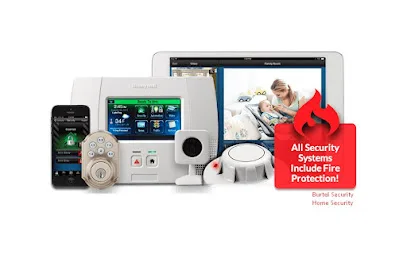
Start with the address-and-contact reality: what you can reach fast
If you’re comparing providers, confirm responsiveness and paperwork clarity early. Burtel lists an address at 2655 Duke St, Alexandria, VA 22314, United States and a direct phone number at +1 703-461-8100. Their site also supports a request-service form, and it states that a staff member will contact you within 1 business day.
That matters because security projects stall when communication is unclear. Ask how the team documents system scope, equipment choices, and the final walkthrough—so you can compare quotes without guessing.
Demand alarm verification details: how will you confirm an alert?
One of the biggest differences between a functional security system and a frustrating one is how alerts are verified. During your consultation, ask for specifics on how the system reduces “nuisance” events and how it helps you confirm what’s happening.
In practice, a good scope explains:
- Which zones or sensors trigger the alarm state (and what events count as “alarm” vs. “warning”).
- How CCTV recording and camera views support verification at the exact entry points you care about.
- What your next action is after an alert—whether you view live footage, how quickly you can do so, and what the installer recommends for your routine.
For example, if your biggest risk is doors and driveways, don’t let a quote focus only on “camera coverage.” Tie each detection area to at least one camera angle that can produce usable evidence.
Scope CCTV for identification quality, not just coverage
Many people shop cameras by resolution alone. Instead, build the CCTV portion around identification outcomes: can you reliably distinguish people or vehicles at the times and lighting conditions you face?
When working with an installer, request a plan that matches your property constraints—such as mounting locations, lighting, and sightlines from the access points. Then verify how recordings will be managed (for instance, what the system captures when alerts occur and how long that footage is retained, if retention is part of the plan you’re buying).
This is also where you should align CCTV with any alarm monitoring philosophy you’re considering. If your verification step depends on seeing evidence, the camera placement must support it.
Integrate access control around routines and exceptions
If your project includes access control, treat it like policy—not convenience. Ask how the design handles “routine” traffic (family, staff, regular deliveries) and “exceptions” (guests, one-time access, off-hours arrivals). A strong installer won’t just list devices; they’ll connect access decisions to what you’re trying to prevent and what you need to allow.
Ask these scoping questions before you sign
To avoid mismatched expectations, use questions that force clear answers in the quote:
- What equipment categories are included, and what’s optional versus required for your verification workflow?
- How will the system behave during false-alarm scenarios—what changes can you make to reduce them?
- Who verifies the camera views during commissioning, and how is “good evidence” defined for your entry points?
- How will smart home integration be handled if you want alerts or automation tied to the alarm and camera triggers?
Wrap-up: build one workflow, then let the devices support it
The best way to compare security installers—including Burtel Security & American Home Security—is to treat your project as a single workflow from detection to decision. Confirm that the alarm state leads to verifiable CCTV evidence, that access control supports your real routines, and that the communication process is clear from estimate to installation. For initial details, start with their request-service page at https://americanhomesecurity.com/request-service/ and call +1 703-461-8100 if you need fast clarification.
More from the watch log

ProTec Security Systems in Greenville: Plan Around the EMC Transition
ProTec Security Systems’ Greenville listing now points to EMC Security. Here is how to clarify system support, camera needs, and the right…
Security Guides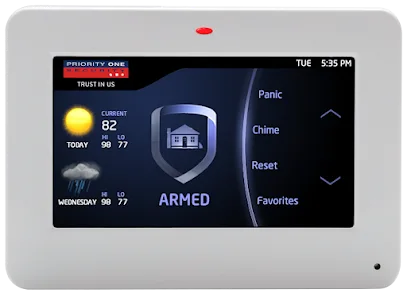
Priority One Security in Greenville: Make Smart-Home Security Work as One System
Priority One Security’s Greenville listing and service menu point to a practical planning question: how should cameras, alarms, access cont…
Security Guides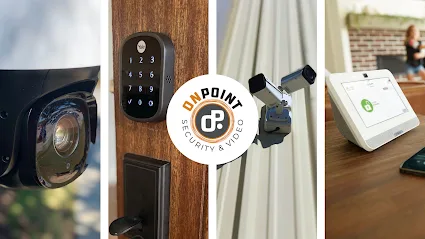
On Point Security & Video in Greenville: Scope Cameras, Alarms, and Entry Control
On Point Security & Video lists surveillance, intrusion systems, access control, and data infrastructure. Here is how Greenville property t…